
CRUISE BUSINESS IS BOOMING AGAIN
A New Wave of Growth and Sustainability
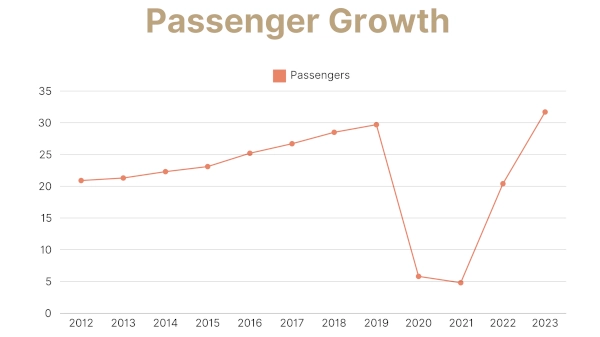
The global cruise industry is experiencing a period of remarkable growth, indicating a positive trajectory for the cruise business. This resurgence is evident in the increasing number of passengers choosing cruise vacations. In 2023, annual passenger volumes exceeded pre-pandemic levels, with 31.7 million people setting sail around the world. This achievement underscores the resilience and appeal of the cruise business. However, this growth also brings challenges, particularly in terms of environmental sustainability and social responsibility. The industry is increasingly focused on addressing these concerns, investing in new technologies and practices to minimize its impact and ensure a sustainable future.
More Demand, More Ships
Even more passengers have embarked on cruises this year. Analysts remain optimistic about the future. It is projected that the sector will carry 10 percent more passengers within the next four years. This anticipated growth is fueling significant investment. To accommodate this rising demand, nearly 50 new cruise vessels are currently on order. These new additions will join the existing fleet of nearly 300 operational ships. This expansion signifies a strong belief in the continued growth of the cruise industry. However, the industry faces challenges in balancing this expansion with environmental responsibility and the needs of the communities it visits.
Sustainability Improving
Cruise companies are under increasing pressure to improve their environmental performance. Additionally, they are expected to minimize their impact on the communities where they operate. These expectations are shaping the future of the industry. More vessels are being adapted for shore power. Shore power allows ships to turn off their main engines while docked. Instead, they can rely on electrical power from the port. This technology significantly reduces air emissions and noise pollution. It represents a significant step towards sustainability.
Mitigating Impact
Other popular European cruise destinations are also implementing regulations. These regulations aim to manage the impact of cruise tourism on their cities and environments. This trend is another indication of the evolving landscape of the cruise industry. For instance, some destinations are limiting the number of ships allowed to visit in a season. Others are relocating cruise terminals away from city centers. Measures are being implemented to control the impact of cruise tourism. These measures are intended to mitigate the impact on local communities and infrastructure.
Emerging Market
While some places are taking a cautious approach, others are embracing the growth of the cruise industry. Some ports of call are expanding their capacity to accommodate larger ships and increased passenger numbers. This expansion reflects the growing economic importance of the cruise business in many regions. The Asia Pacific region, in particular, is demonstrating significant growth potential. It is becoming an increasingly important market for both regional and international cruise lines. According to Cruise Industry News, nearly 90 ships will operate in the Asia Pacific region this year. This represents a substantial 40 percent increase compared to 2023. This growth highlights the increasing significance of the Asia Pacific market.
Onboard Experience Evolving
Furthermore, the industry is evolving to offer more diverse and innovative onboard experiences. Cruise lines are constantly introducing new features, amenities, and entertainment options to appeal to a wider range of passengers. This innovation is crucial for the continued success of the industry.
Technology Transforming the Industry
Technology is also playing an increasingly important role. Cruise lines are utilizing technology to enhance the passenger experience, streamline operations, and improve efficiency. From online booking platforms to mobile apps that provide real-time information and services, technology will transform the way people plan, book, and experience cruises. This digital transformation is essential for the industry to remain competitive and meet the evolving needs of modern travelers.
Cruising is More Inclusive
In addition to onboard experiences, cruising is becoming more inclusive. Cruise lines are catering to a broader range of demographics and interests. They are offering specialized cruises designed to appeal to various preferences, such as culinary-themed cruises, adventure cruises, and culturally focused itineraries. This inclusivity is helping to expand the reach and appeal of cruising.
The cruise industry is navigating a dynamic and transformative period. It is experiencing significant growth while simultaneously addressing challenges related to sustainability and social responsibility. The industry is adapting, innovating, and demonstrating its resilience in the face of these challenges. The future appears bright, with continued growth and innovation expected in the years to come. This is an exciting time for the industry and for travelers who enjoy the unique experiences that cruising offers.